Map
Interviews and process walks turned scattered AI wishes into a use-case register with owner, value, next step and status. Ten use cases scoped. Most of them built.
- use-case register
- value and effort
- one owner each
Product leader turned AI operator. I take AI from strategy to a tool people use every day, for complex product companies.
Every line here is running this month. Company names are left out on purpose. Ask and I will tell you more.
Inside a heat pump manufacturer, next to my product owner role, I ran the company's AI programme from first idea to a handover the next person could pick up. Same loop, any company.
Interviews and process walks turned scattered AI wishes into a use-case register with owner, value, next step and status. Ten use cases scoped. Most of them built.
A governance vault aligned with NIST AI RMF, OWASP LLM Top 10, MITRE ATLAS and the EU AI Act. GDPR and DPIA clearance guides per use case, so "can we even do this?" stopped being the blocker.
A contract intelligence layer for order handling. A bilingual product knowledge base and a support chatbot on top of it, with cited sources. A project status dashboard that replaced a fragile Excel file. Identity gating with Entra ID and a push-to-deploy pipeline on Azure.
An ambassador programme so change ran through a network, not through my calendar. Setup tutorials on the intranet. Plain-language explanations for management, IT and the people who would use the tools.
A deliveries register and a written handover, designed so the initiative survives the person who started it. It did.
Facts, not adjectives. Each one has a paper trail.
I come from the technical side. An MSc from LTH, 32 patents, a software team of 18. Then the business side: regional manager with sixteen consultants, an IP portfolio to run, seven markets to turn into one product roadmap. I have been the person asking for the tool and the person shipping it.
Since 2025 I run my own AI operation every day. An operating system that onboards and audits its own projects, a hosted assistant with a compliance gate, a content engine that publishes itself. I build it in public on Telling Technology so anyone can see exactly how. Most "AI for business" stops at a chatbot demo. I build into the messy parts that move a company: operations, internal tooling, decision support, the work nobody wants to do twice.
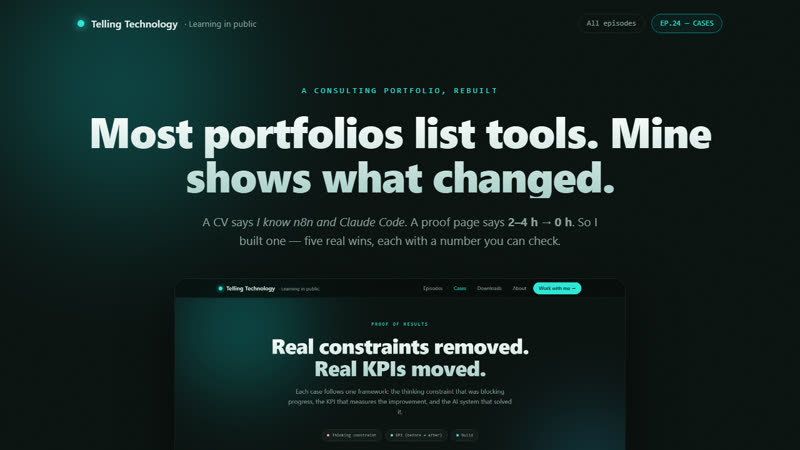
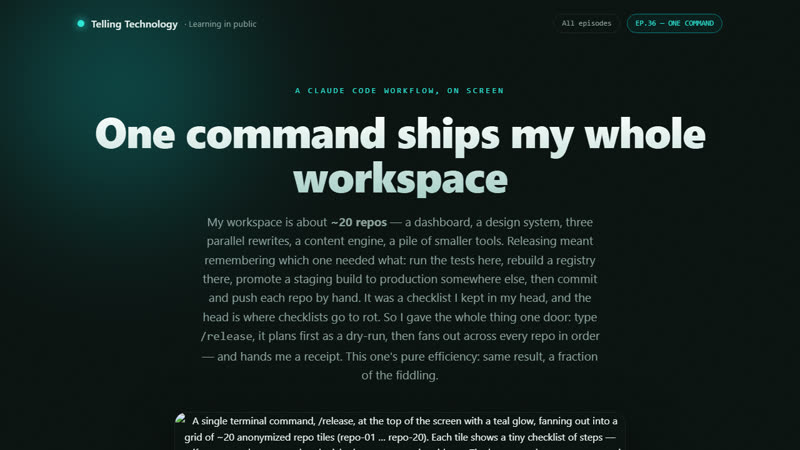
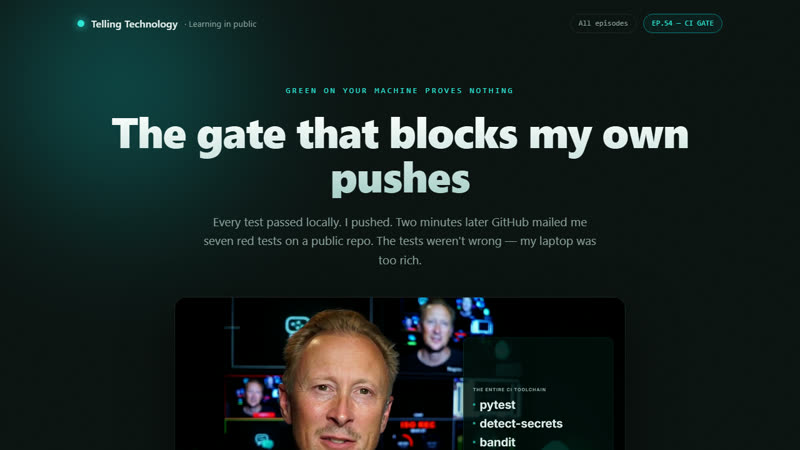
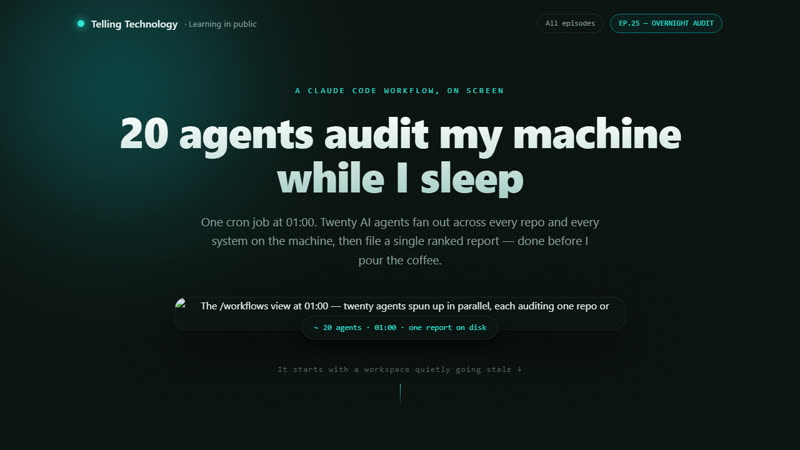
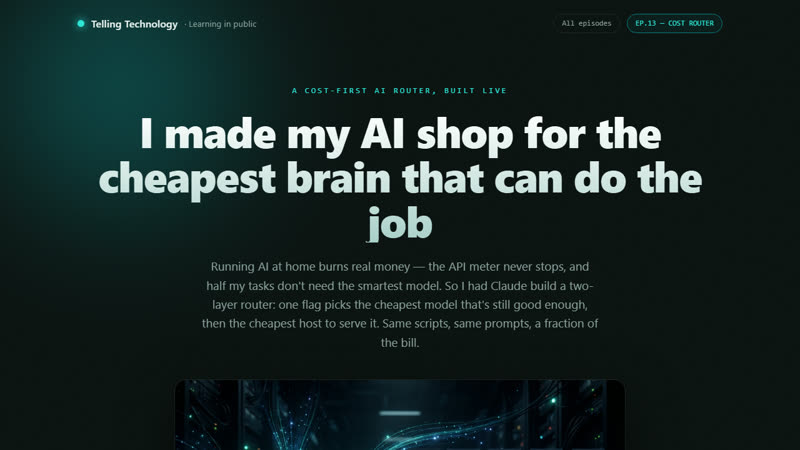
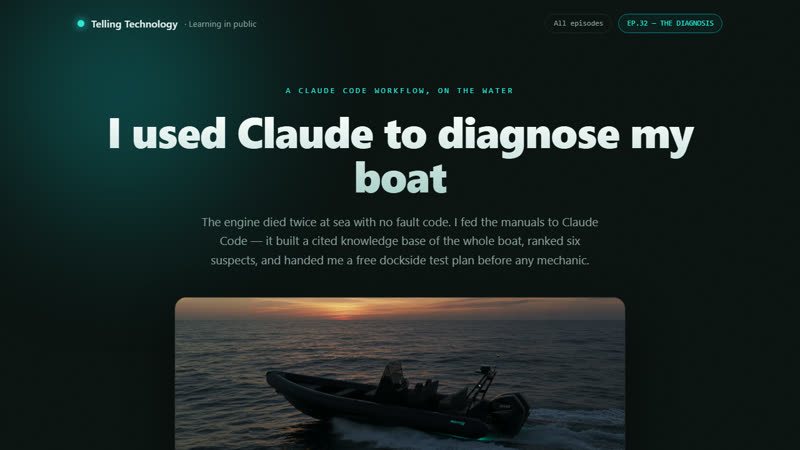
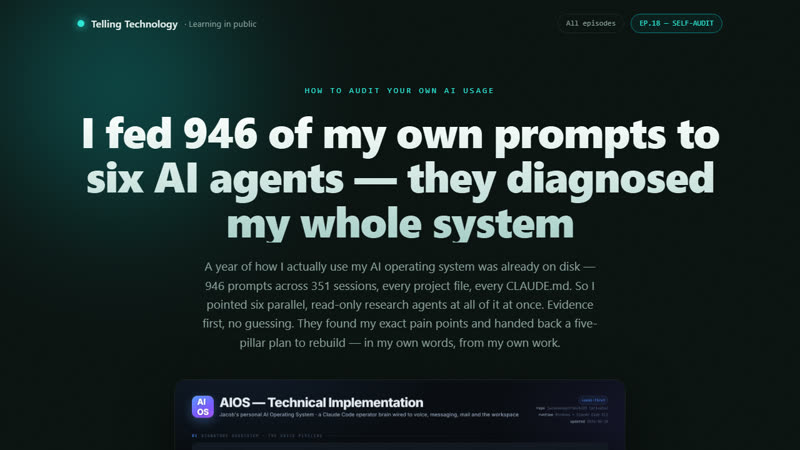
A few of the thirty-one episodes on Telling Technology. Click any to read how it was made.
Jacob turned our TechDoc output into a searchable, bilingual wiki. The AI caught template leaks, cut re-publish review time, and surfaced gaps nobody had flagged. Everything we've built with AI since rests on that foundation.
Jacob set up single sign-on for three of our internal tools through a proper Microsoft Entra app registration, so only our own company accounts get in. He also built the publishing pipeline. Push to GitHub, Azure deploys it automatically, no build servers to babysit.
Compliance documents used to eat a full day each. Jacob built a tool where I pick the document type, toggle the sections I need, and get a live preview as I go. What took a day now takes an hour, and the export is ready, PDF or Word.
Your first AI employee. Lives in Telegram, ships real deliverables, exports your data on request. Nothing locked in. Built and run by me, EU AI Act Article 50 assessment done.
The same working loop I use for client work, applied to my own resume. It took 35 minutes from start to goal, and 15 of those were spent by Claude crunching, me on the couch watching TV.
I ask my AI to follow the leading AI YouTubers, Nate Herk first. The /watch command lets it watch a whole YouTube video in minutes, like when you want to build a great web page, for example. What matters goes into my own wiki, so the next session starts with context instead of from zero. This page borrows the structure of Nate's homepage.
My AIOS holds my career, my builds, my numbers and how I write. Claude Code (Fable 5.1) pulled every claim on this page from there. Every number is traceable to a file.
Design tokens, headshot and episode renders came straight from tellingtechnology.skogstrom.se. The reference site was studied with scroll screenshots before a single line was written.
Playwright took scroll screenshots at eight positions on desktop and eight on phone. Anything out of bounds got fixed and re-shot until a pass came back clean.
A self-paced /loop ran polish rounds on its own, no input from me between them: read the changelog, make a small change, screenshot itself with Playwright, check the result, write a short report, sleep until the next round. 29 versions later, this is the one that stuck. Built with a loop-setup skill I wrote for exactly this kind of unattended iteration.
The session sent me a Telegram message when it was done. I reviewed, asked for two changes, and it was live.